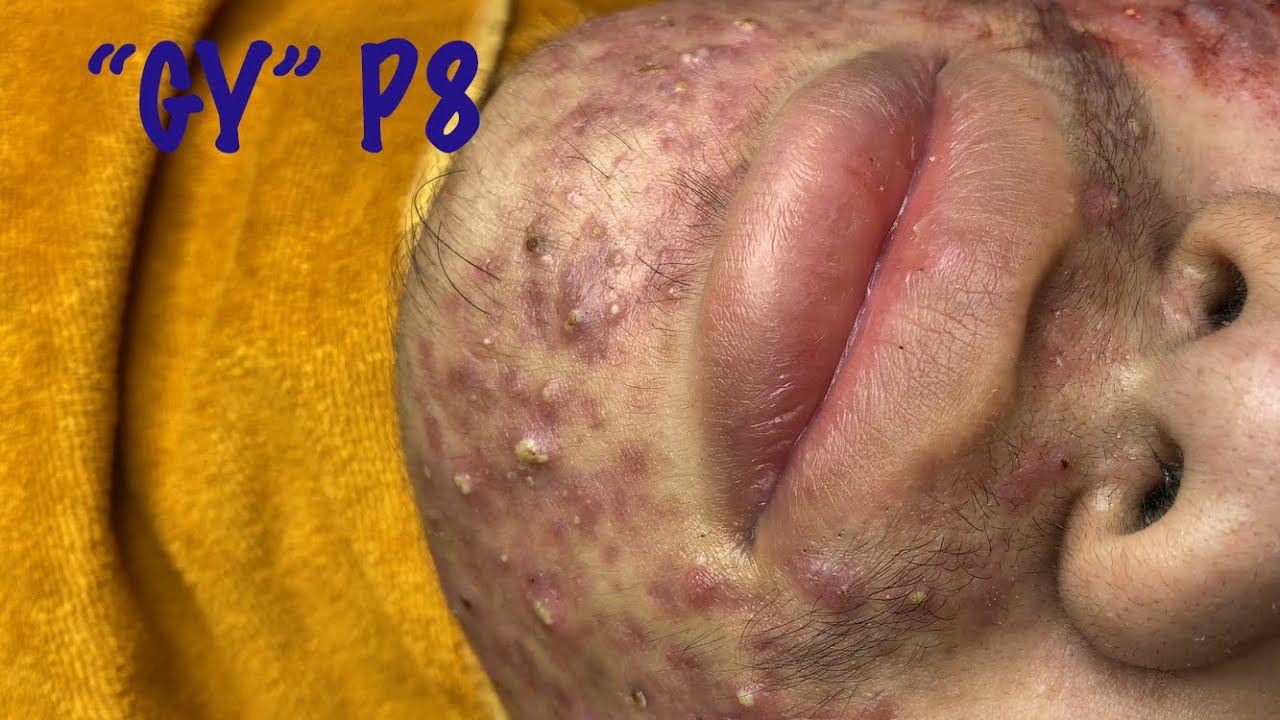
Face Masks and Exfoliation: How to Care for Acne-Prone Skin
For acne-prone skin, face masks and exfoliation are powerful tools — but they must be used carefully and strategically. When done correctly, they can unclog pores, reduce oil, calm inflammation, and improve skin texture.
1. Why Masks and Exfoliation Matter
-
Remove excess oil – Helps prevent clogged pores
-
Clear impurities – Draws out dirt, sweat, and pollution
-
Reduce inflammation – Certain ingredients calm redness and swelling
-
Improve texture and tone – Smooths rough patches and fades dark marks
Face Masks for Acne-Prone Skin
A. Clay Masks
-
Best for: Oily and combination skin
-
Benefits:
-
Absorbs excess oil
-
Reduces shine and prevents clogged pores
-
Removes impurities and toxins
-
-
Ingredients to look for: Kaolin, Bentonite, or French green clay
-
Usage: 1–2 times per week; leave 10–15 minutes and rinse with lukewarm water
B. Hydrating or Soothing Masks
-
Best for: Sensitive or dry acne-prone skin
-
Benefits:
-
Calms irritation and redness
-
Restores hydration lost from acne treatments
-
-
Ingredients to look for: Aloe vera, hyaluronic acid, chamomile, oat extract
-
Usage: 1–2 times per week; can be left on overnight for intense hydration
C. Charcoal Masks
-
Best for: Oily skin with clogged pores
-
Benefits:
-
Absorbs excess sebum
-
Helps reduce blackheads
-
-
Usage: Once per week; avoid overuse as it can dry out skin
Exfoliation for Acne-Prone Skin
Exfoliation removes dead skin cells that can clog pores and worsen breakouts. There are two main types:
A. Chemical Exfoliation
-
AHAs (Alpha Hydroxy Acids) – Glycolic, lactic acid
-
Best for dry or combination skin
-
Smooths texture and fades dark marks
-
-
BHAs (Beta Hydroxy Acids, e.g., Salicylic Acid)
-
Best for oily and acne-prone skin
-
Penetrates pores to clear blockages
-
-
Tips:
-
Start 1–2 times per week
-
Always follow with moisturizer
-
Use sunscreen during the day
-
B. Physical Exfoliation
-
Gentle scrubs with soft particles
-
Caution: Avoid harsh scrubs or vigorous rubbing — can worsen inflammation
-
Best for: Non-sensitive, mildly acne-prone skin
-
Usage: 1 time per week max
How to Combine Masks and Exfoliation
-
Alternate days – Don’t exfoliate and use a mask on the same day
-
Start gently – Introduce 1 new product at a time
-
Hydrate afterward – Always follow with a non-comedogenic moisturizer
-
Monitor your skin – Stop or reduce frequency if irritation occurs
Tips for Best Results
-
Patch test new products to avoid allergic reactions
-
Avoid over-cleansing – Too much exfoliation can trigger more oil production
-
Use the right mask for your skin type – Oil-absorbing masks for oily skin, soothing masks for sensitive skin
-
Be patient – Benefits appear gradually, usually after 2–4 weeks of consistent use
Conclusion
Face masks and exfoliation are essential tools in a balanced acne routine, but they must be tailored to your skin type and acne severity. Used correctly, they can:
-
Reduce breakouts
-
Minimize blackheads
-
Calm irritation and redness
-
Improve overall skin texture and appearance
💡 Tip: Combine a gentle daily routine with weekly masks and exfoliation for the best results without over-irritation.