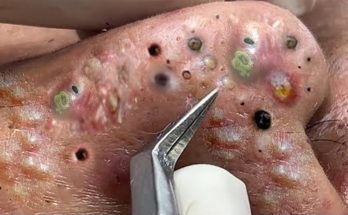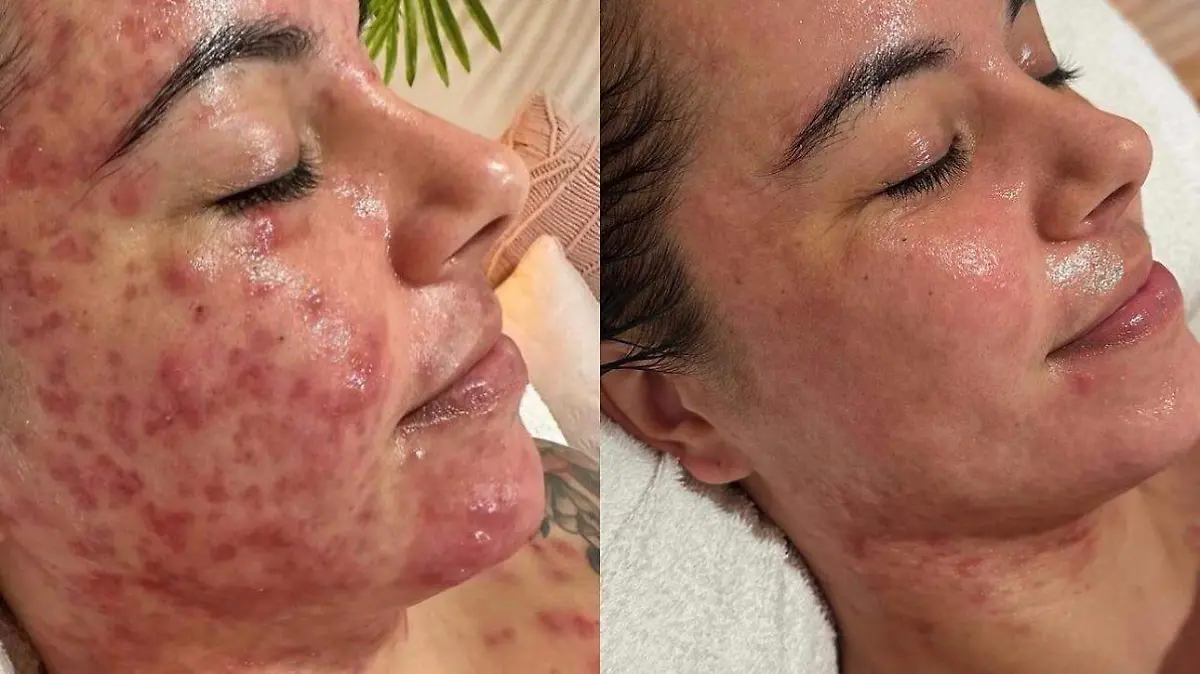
This skin condition is primarily caused by hormonal problems, which occur during puberty, although there are other factors that can cause the “pimples” to appear.
Tamara Medina / Diario de Querétaro
Acne is one of the “problems” that affect teenagers. According to medical studies, 80 percent of patients experience it upon entering puberty, which is almost the majority.
According to dermatologist Luis Rodríguez, during puberty, the sex organs (testicles in males and ovaries in females) begin to produce different hormones. “One group of hormones is called androgens, and the most well-known type is testosterone. Androgens have many effects on the body: In both males and females, they stimulate the growth of body hair and increase muscle and bone mass. In males, high levels of androgens can also cause the voice to deepen and facial hair to grow.”
Hair follicles (pores) in the skin contain oil glands called sebaceous glands. The oil they produce is called sebum, which helps lubricate the hair and skin. However, changes during puberty can lead to acne.
According to Healthy Children, one of the most reputable medical websites, acne is divided into four types of bumps:
Blackheads. The medical term for these blackheads is “open comedones.” They are pores that become clogged with excess oil. These remain close to the skin’s surface and have a darker top than the surrounding skin.
Whiteheads. These are also called “closed comedones.” They are pores that become clogged with excess oil, close up, and protrude slightly from the skin’s surface.
Pimples. These are the red bumps that form when excess oil and C. acnes bacteria combine to clog a pore deeper in the skin. Sometimes, bacteria create pus, and the red bump becomes a pustule.
Nodules and cysts. These are larger, often painful pimples that extend into the deeper layers of the skin. They are the most likely to cause scarring.
HOW TO GET RID OF ACNE?
Luis Rodríguez always recommends visiting a specialist and not applying home remedies to your face, “or worse, not following content on social media like TikTok, where they tell you to do all sorts of crazy things that could seriously damage your face.”
These breakouts commonly appear on the face: nose, chin, and cheeks, as well as on the front and back of the chest, and if it is inflammatory, it affects the arms and shoulders.
The specialist’s advice includes:
Wash your face at least twice a day using a neutral soap. “It’s important to choose a mild soap to avoid irritating your skin, and it’s forbidden to use scrubs or abrasive products, as these dry out the skin and cause further damage.”
Never squeeze or pop pimples. “Pulling pimples will cause them to become infected and leave scars.”
Always use sunscreen and minimize sun exposure to prevent breakouts.
Some recommended products include: hydrocolloid patches for pimples, antibiotics, topical retinoids, benzoyl peroxide, and hormonal treatments. However, these must be prescribed by a doctor, as improper application can lead to adverse reactions.
It’s important for parents to remember that when acne is severe, you should see a specialist as soon as possible for treatment. Patients with severe acne often experience general malaise, fever, and large abscesses, as well as muscle and joint pain, which can significantly impact their quality of life.
Science is making great strides in acne control, and there are now effective treatments available. However, acne can be persistent. Pimples and rashes heal slowly, and just as one begins to clear, others seem to appear. Doctors advise patience and stress management, as stress can also trigger more breakouts.
It’s also worth noting that acne in women can persist for decades, with common outbreaks occurring a week before menstruation. This type of acne tends to clear up without treatment in women who use contraception.
In older adults, a sudden onset of severe acne may indicate an underlying medical condition that requires medical attention.