
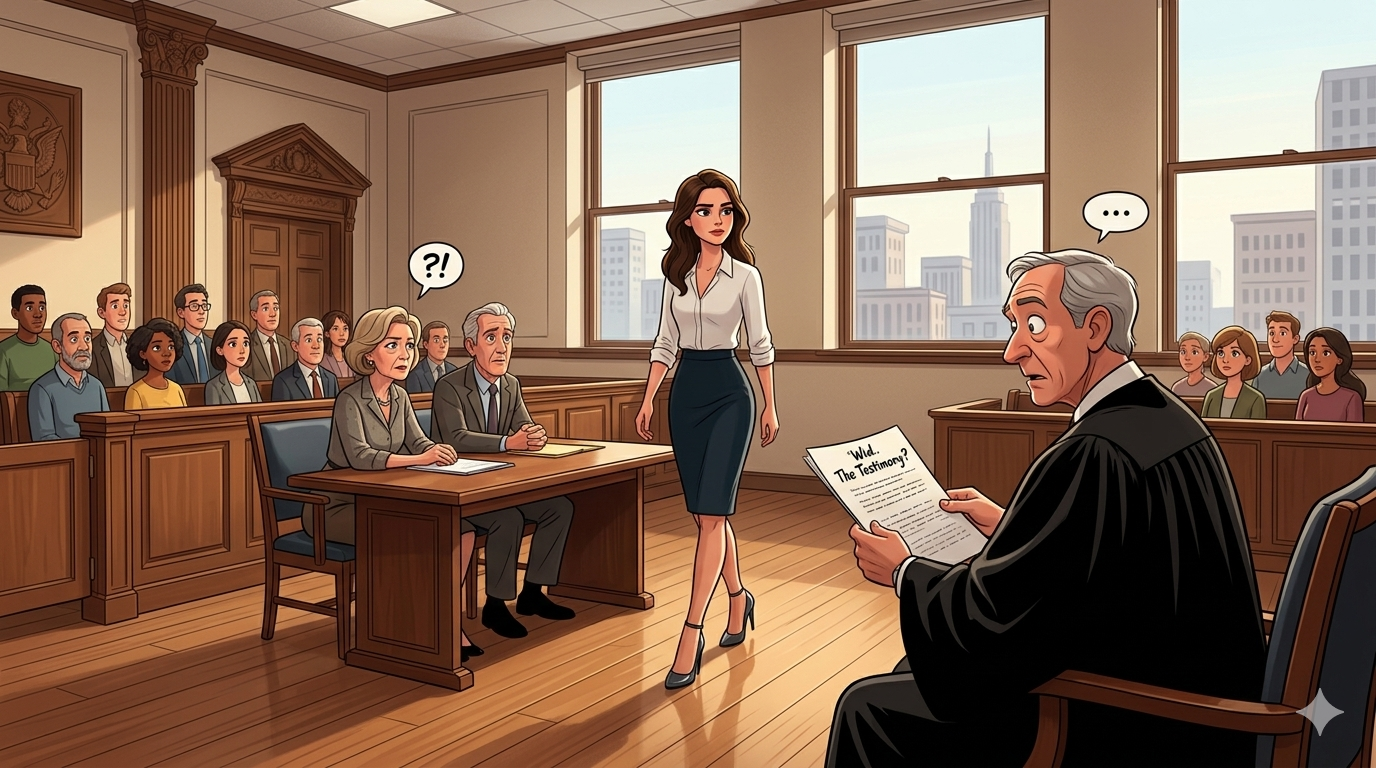
You are reading this because I am gone. But my love for you continues. You are the greatest joy of my life. I leave you everything because you earned it—not through blood, though you are my blood, but through showing up. Through loving me and your grandmother when others could not be bothered. Your parents made their choice long ago. This is mine. Be strong, my girl.
I cried, right there, in that quiet office.
Not sad tears. Validation tears. The kind that say: I wasn’t crazy. I wasn’t imagining it. Love mattered.
Then the attorney slid another envelope across the table.
“Judge Parker wanted you to have this,” she said.
Documentation.
Bank statements showing my grandfather gave my mother $3,000 monthly starting when I was a baby. For over twenty years.
More than $800,000 total.
Emails from Diane asking for more. Texts promising to visit and then canceling. Letters from Scott requesting money for business ventures that flamed out like cheap fireworks.
A paper trail of neglect and greed.
“He anticipated they might contest the will,” the attorney said. “He wanted you armed with proof.”
Of course he did.
He thought three moves ahead.
Thirty days later, my attorney called.
“Haley,” Thomas said, voice tight with disbelief, “your parents filed a lawsuit.”
I was in the middle of prepping for a securities fraud trial. I remember laughing—one sharp bark of sound—because the irony was too perfect.
“They’re claiming undue influence,” Thomas said. “They’re saying Judge Parker was incompetent. That you manipulated him.”
I set my pen down slowly.
It didn’t hurt the way I expected. It didn’t even surprise me.
It just confirmed what I already knew: my parents weren’t here for grief. They were here for money.
“They think I’m still a kid,” I said quietly.
Thomas sighed. “They think you’re easy to intimidate.”
I smiled, cold and calm. “That’s adorable.”
We filed our response. We gathered evidence. We prepared.
And then came today—the courtroom, the eye roll, the judge’s recognition.
My parents had walked in expecting a simple fight. They expected me to crumble under pressure, to fold out of fear, to settle just to make it stop.
They didn’t understand something Grandpa taught me long ago.
You don’t settle with people who rewrite reality.
You make them prove it.
Under oath.
On the record.
In front of a judge who knows what truth looks like.
And Judge Brennan—my grandfather’s former clerk—was about to watch my parents walk straight into the evidence my grandfather left behind like a trap they didn’t see until the door clicked shut.
Part 4
My mother cried on cue.
Palmer guided her through her story like he was conducting an orchestra. Every sentence was designed to paint her as the wounded daughter and me as the cold interloper who stole her rightful place.
“He was everything to me,” Diane said, voice trembling. “My hero.”
Palmer nodded with practiced sympathy. “When you had Haley, what was your father’s involvement?”
My mother dabbed at her eyes. “He was excited to be a grandfather. He wanted to help. I was so young—eighteen—still figuring out my life. When he offered to watch Haley while Scott and I got established, I thought it was temporary.”
Temporary.
The word hung there like perfume—sweet, artificial, and hard to scrub off.
Palmer leaned in. “But it became permanent.”
“Yes,” she whispered. “They kept her. Made it seem like Scott and I were bad parents for wanting careers. They turned my daughter against me.”
Across the aisle, my father’s mouth tightened like he was trying to look offended on my mother’s behalf, but the effort didn’t quite land. Scott Morrison was never good at pretending to care about anything that didn’t stroke his ego.
Judge Brennan wrote something down, expression unreadable.
Thomas glanced at me. I gave him a small nod. Let her talk. Let her build the lie high enough to fall from.
Palmer moved to the next act. “After your mother passed away, did your relationship with your father change?”
My mother’s face crumpled. “He withdrew. Became cold. Blamed me. But I tried. I called. I visited when I could. He pushed me away and held Haley closer.”
I kept my face still, but inside I remembered my grandfather after Grandma died—quiet, devastated, but not cold. He didn’t push people away. He waited for them to show up.
And they didn’t.
Palmer finished with the big emotional landing. “When did you learn about the will?”
My mother’s voice shook like a violin string. “After the funeral. I was grieving, and then I found out he left me nothing. He cut me off, gave everything to Haley. It felt like a final rejection.”
Palmer turned toward the bench, voice thick with manufactured sorrow. “Your Honor, we contend Judge Parker was unduly influenced and mentally incompetent. This will does not reflect his true wishes.”
Thomas stood. “Objection. Counsel is testifying.”
“Sustained,” Judge Brennan said. His tone was polite but clipped. “Ask questions, Mr. Palmer.”
Palmer sat down, jaw tight, and the room shifted. The performance had been allowed, but only within rules. Brennan wasn’t buying theater. He wanted evidence.
“Cross,” Judge Brennan said.
Thomas rose with the calm of a man who’d done this a thousand times and still enjoyed it.
“Mrs. Morrison,” he began, “you were eighteen when Haley was born?”
“Yes,” my mother said, chin lifting.
“And when Haley was three months old, you left her with your parents.”
“It wasn’t like that—”
“Yes or no,” Thomas said gently.
My mother’s cheeks flushed. “Yes.”
Thomas lifted a thick binder. “Your father kept meticulous records. According to his calendar, you visited four times in Haley’s first year. Christmas, Easter, her first birthday, and one Saturday in July. Does that sound accurate?”
My mother’s eyes flicked to Palmer, then back. “I was young.”
“Your husband was a professional hockey player making substantial income during his career,” Thomas continued. “Correct?”
“Yes.”
“Tax records show he made over two million dollars during that period,” Thomas said, voice steady. “And yet you received $3,000 monthly from Judge Parker for over twenty years. Over eight hundred thousand dollars. What was that money used for?”
Palmer jumped up. “Objection. Relevance.”
Thomas didn’t look at him. “The plaintiffs claim they deserve a share of the estate. I’m establishing what they already received.”
Judge Brennan’s pen paused. “Overruled. Answer the question.”
My mother swallowed. “Living expenses. Rent. Food.”
“Did you work consistently during that time?” Thomas asked.
“Sometimes,” she said, brittle. “Retail jobs.”
“And Mr. Morrison?” Thomas’s gaze shifted to my father, who sat straighter now, suddenly alert.
“He tried businesses,” Diane said.
“Let’s talk about those,” Thomas said, flipping pages. “A sports bar that lasted eleven months. A coaching company with zero clients. A memorabilia shop that filed bankruptcy. Each time, Judge Parker provided additional money beyond the monthly support. True?”
My mother’s voice went thin. “He wanted to help.”
“He wanted you to become independent,” Thomas corrected, “but you became dependent.”
The courtroom was silent.
Thomas turned another page. “In the last ten years of Judge Parker’s life, how many times did you see him?”
“I don’t know,” Diane said quickly. “Several.”
Thomas held up a calendar printout, annotated. “Eight times in ten years. Less than once a year.”
My mother’s mouth tightened, defensive anger rising. “I had my own life.”
“Your own life,” Thomas echoed softly. “Did that include calling him on his birthday?”
Silence.
“Father’s Day?” Thomas asked.
More silence.
“The last time you saw your father before he died,” Thomas continued, “was his eighty-fourth birthday, three years before his death. You stayed ninety minutes and left before cake.”
My mother’s eyes shone with tears again, but now they looked less like performance and more like panic.
Thomas delivered the final cut with quiet precision. “Isn’t it true,” he asked, “that when Judge Parker told you the monthly payments would continue but the extra funds would stop, you visited exactly zero times in the next three years? True or false?”
My mother’s voice broke. “He was angry with me.”
“Or you had no use for him anymore,” Thomas said.
“No further questions,” he concluded, and returned to his seat.
My mother sat still, breathing hard, face flushed.
Judge Brennan looked at her for a long moment, then turned his gaze to Palmer.
“Call your next witness,” he said.
Palmer stood again, forced smile wobbling.
“The plaintiff calls Scott Morrison.”
My father walked to the stand like he was annoyed he had to move at all. He raised his right hand, swore, and sat down with a look that said he couldn’t believe this was happening to him.
Palmer started with soft questions.
“Mr. Morrison,” he said, “describe your relationship with Judge Parker.”
Scott shrugged. “We got along fine.”
Thomas’s eyebrow lifted slightly. I watched him, almost amused.
Palmer tried to drag out warmth. “You respected him?”
“Sure,” Scott said. “Respected him.”
He glanced at the clock. Even now, he looked like he had somewhere better to be.
Palmer moved into the same narrative—busy hockey schedule, complicated family dynamics, grandparents being “controlling.” Scott played along, but he was a terrible actor. You could hear his boredom under every word.
When Palmer finally sat down, Thomas rose for cross-examination, and his voice sharpened like a scalpel.
“Mr. Morrison,” Thomas said, “you testified you wanted to be involved in Haley’s life. How many of her school events did you attend?”
Scott blinked. “I don’t know. Several.”
“Name one,” Thomas said.
Silence.
Scott’s jaw tightened. “I traveled a lot.”
“Your hockey career ended when Haley was eight,” Thomas said calmly. “After that, you lived two hours away. How often did you see her?”
“We had visits,” Scott said, irritation rising.
“How many?” Thomas pressed. “Give a number.”
Scott looked helpless. “I don’t remember.”
Thomas nodded, as if he expected that. “Would it surprise you,” he asked, “that according to Haley’s recollection, you came inside Judge Parker’s house fewer than five times in twenty-four years? That you often stayed in the car?”
Scott’s face flushed. “That house was tense. Judge Parker didn’t like me.”
“Why didn’t he like you?” Thomas asked.
Scott scoffed. “He was judgmental.”
“Or,” Thomas said, flipping pages, “he judged you for abandoning your daughter and then asking him for money when your businesses failed.”
Scott’s eyes narrowed, finally angry. “We’re family. We deserve something.”
“Family,” Thomas repeated slowly, tasting the word. “Did you attend Haley’s high school graduation?”
Scott hesitated. “I think so.”
Thomas projected a photo on a screen—me in a cap and gown, my grandfather front row, my grandmother beside him.
“Where are you, Mr. Morrison?” Thomas asked.
Scott’s face hardened. “I might have had something.”
“You didn’t come,” Thomas said simply. “You missed her college graduation, her law school graduation, and now you want half of the estate earned by the man who actually showed up.”
Palmer jumped up. “Objection. Argumentative.”
“Sustained,” Judge Brennan said. “Move on.”
Thomas nodded. “No further questions.”
Scott stepped down, looking furious now, but fury didn’t fill gaps in calendars. It didn’t erase bank statements. It didn’t rewrite thirty-two years.
As the court recessed for lunch, I caught my mother’s eye. She looked away quickly.
Good.
Because tomorrow, it would be my turn to speak.
And once I started, there would be no room left for their fiction.
Part 5
Day two was when my parents’ case stopped being cruel and started being desperate.
Palmer called Dr. Raymond Hughes, a psychiatrist who had never met my grandfather.
It would’ve been funny if it weren’t so insulting.
Dr. Hughes took the stand with the careful confidence of a man who believed credentials could substitute for truth. He spoke smoothly about grief-related depression, about elderly vulnerability, about how caregivers could influence major decisions.
“Based on medical records,” he said, “Judge Parker showed signs of depression after losing his wife. That kind of depression can impair judgment.”
Thomas rose, calm as ever.
“Dr. Hughes,” he began, “you never met Judge Parker.”
“Correct,” Dr. Hughes said.
“You never evaluated him,” Thomas continued.
“Correct.”
“You never spoke to him, observed him, or administered any cognitive test.”
“That’s correct.”
Thomas held up the medical records. “Where in these records is a diagnosis of depression?”
Dr. Hughes flipped through pages, frowning. “It’s not explicitly stated, but given the circumstances—”
“So,” Thomas said gently, “you diagnosed a man you never met with a condition not present in his medical records and used that imaginary diagnosis to suggest he was mentally incompetent.”
Dr. Hughes stiffened. “I’m offering a professional opinion.”
“Based on assumptions,” Thomas said. “No further questions.”
Palmer’s mouth tightened. He called a neighbor who said my grandfather seemed “withdrawn” sometimes. He called a distant cousin who claimed my grandfather once said he wished Diane visited more.
Neither helped.
Because grief isn’t incompetence, and missing your absent daughter doesn’t mean you’re confused about who loved you.
Then Thomas started our side.
He called Judge Andrew Mitchell, who’d served with Grandpa for decades. Mitchell walked to the stand with the dignity of a man used to being listened to.
“Judge Mitchell,” Thomas asked, “did you observe any decline in Judge Parker’s mental faculties in his final years?”
“Absolutely not,” Mitchell said firmly. “William was sharp until the end. We discussed complex legal theories. He debated cases. His mind was clear.”
“Did he ever discuss his estate plans with you?” Thomas asked.
“Yes,” Mitchell said. “He told me he was leaving everything to Haley. He said she earned it. He was clear and intentional.”
Thomas called more witnesses: friends, colleagues, people who’d had lunch with Grandpa and watched him still argue like a man half his age. Every witness said the same thing in different ways.
He was fine.
He knew what he was doing.
He knew exactly who showed up.
Then Thomas called Margaret Chen, my grandfather’s estate attorney. She was small, composed, and unshakable. Thirty years of dealing with wealthy families fighting over money had taught her to keep her spine straight.
“Ms. Chen,” Thomas asked, “walk us through creating Judge Parker’s final will.”
“He contacted me two years before his death,” she said. “He wanted to update everything. We met multiple times. He was specific and methodical.”
“Did he seem confused or coerced?” Thomas asked.
“Not at all,” she replied. “He brought documentation. He wanted no ambiguity.”
“What kind of documentation?” Thomas asked.
Margaret’s gaze flicked briefly to my parents, then back. “Records of financial support he provided Diane over the years. Calendars documenting visit frequency. He anticipated a contest.”
Palmer tried to rattle her on cross, but he couldn’t. Margaret had written wills for judges, senators, and people who thought their emotions were facts. She didn’t budge.
By the end of the day, my parents’ narrative was crumbling.
At recess, I saw my mother whispering to Palmer, hands shaking. Scott sat back, arms crossed, face hard with anger. Not sadness. Not regret. Anger that things weren’t going his way.
Thomas leaned toward me. “Tomorrow you testify.”
“I know,” I said.
“You don’t have to say more than the truth,” he reminded me. “Let the evidence carry the weight.”
I nodded, but inside I felt a different hunger.
Not to punish them.
To be seen.
Because my whole life, my parents treated me like background noise. A problem solved by dropping me off at someone else’s house. A responsibility replaced with money my grandfather paid on their behalf.
Tomorrow, under oath, I would say what happened.
Not like a child begging for a mother.
Like an adult stating facts.
And the courtroom—this place built for truth—would have to listen.
That night, I didn’t sleep much. I laid in bed replaying memories like evidence exhibits.
Grandma’s hands guiding mine while planting tulips.
Grandpa clapping too loud at a debate tournament.
Diane on her phone during Christmas, barely glancing at me.
Scott honking from the driveway, refusing to come inside.
The night Grandma died, Grandpa sitting in the garden holding bulbs.
The will letter, telling me I earned it through showing up.
I thought about my parents suing me and calling it undue influence.
And I realized something.
If love is influence, then yes.
I influenced my grandfather every Sunday by loving him.
But if their case tried to turn that into a crime, I was ready to prosecute my own history.
Tomorrow, I’d take the stand.
And I’d make the record permanent.
Part 6
When Thomas called my name, the courtroom went still in a different way.
Not quiet like boredom. Quiet like attention.
I stood, smoothed the navy suit I’d chosen carefully, and walked to the witness stand. My heels sounded sharp against the floor. I raised my right hand and swore to tell the truth.
Then I sat, facing forward, and finally allowed myself to look at my parents.
My mother’s eyes were red from yesterday’s tears. My father’s face was set in stubborn irritation. He looked like he’d decided the court owed him something.
Thomas began gently. “Haley,” he said, voice calm, “tell the court about your childhood.”
I took a breath.
“I was born when my mother was eighteen,” I said. “My parents decided they weren’t ready for parenthood. When I was three months old, they brought me to my grandparents’ house.”
Palmer shifted in his seat. My mother’s jaw tightened.
“What was supposed to be temporary became permanent,” I continued. “They left and rarely returned.”
Thomas nodded. “How often did they visit?”
“When I was young,” I said, “maybe three or four times a year. As I got older, less. By my teens, twice a year if lucky. Christmas and sometimes my birthday.”
My voice stayed steady. Not because it didn’t hurt, but because the pain had already been lived. The telling wasn’t new.
“Who raised you?” Thomas asked.
“My grandparents,” I said. “Helen and William Parker. They showed up to everything—school plays, soccer games, debate tournaments. They helped with homework. They taught me to cook. They took me to museums. They were my parents in every way that mattered.”
Thomas paused. “Did Diane and Scott contribute financially?”
“No,” I said simply. “My grandparents paid for everything. Clothes, school supplies, college, law school.”
I glanced toward my mother. “My parents took money from my grandfather, but they didn’t provide for me directly. They didn’t show up.”
Thomas guided me through specific moments—missed events, broken promises, generic cards. I spoke like I was laying bricks. Factual. Consistent.
“When your grandmother died,” Thomas asked, “what happened?”
My throat tightened, just slightly. “I took time off college to be with my grandfather. He was devastated. They were married sixty years.”
“Did your mother help?” Thomas asked.
“No,” I said. “She came to the funeral and left right after. Didn’t help with arrangements. Didn’t check on him afterward.”……………………….