Key takeaways:
-
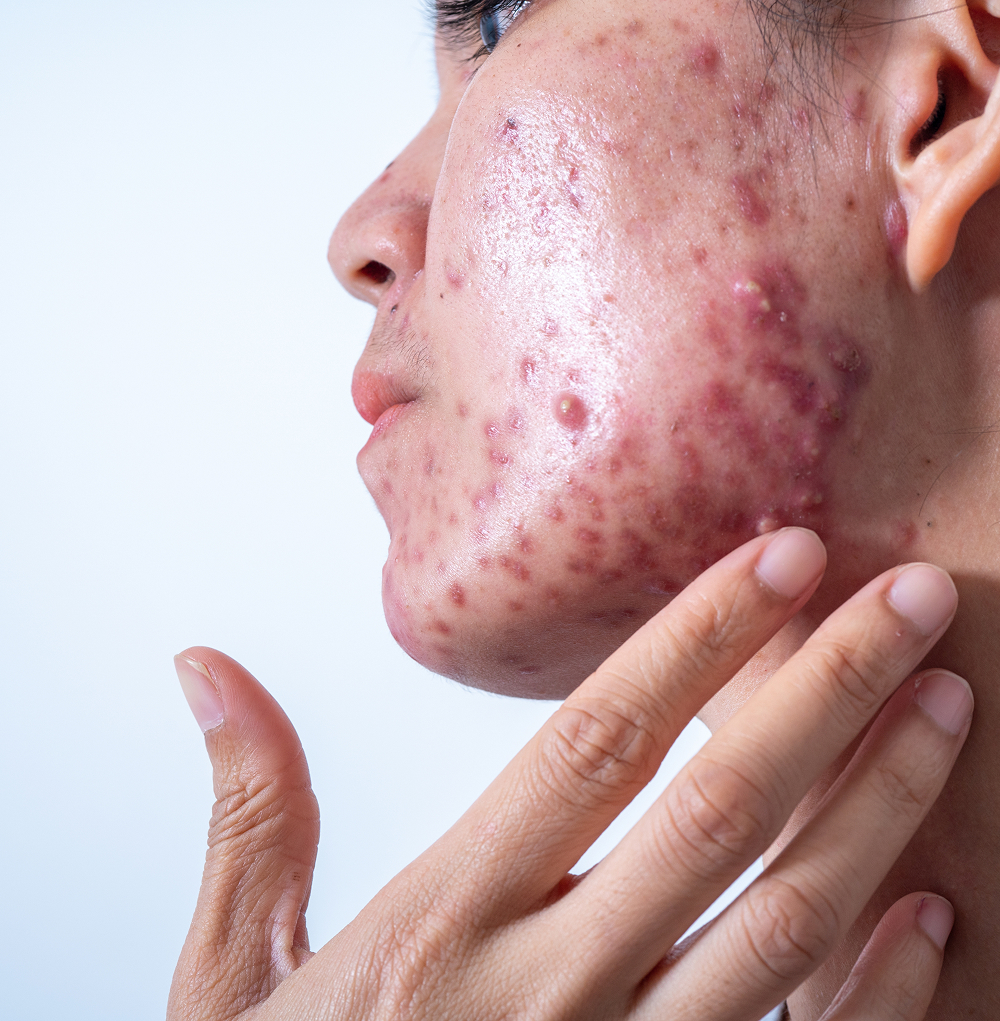
If you’re dealing with breakouts, there are steps you can take to get rid of acne.
-
Practicing good skin care and minimizing your sugar intake can help keep pimples at bay.
-
Different over-the-counter and prescription creams and pills can help get rid of acne permanently.
1. Everyday lifestyle changes to treat and prevent acne
Whichever medications or products you may need to treat acne, it helps to establish some healthy daily habits to care for your skin and prevent the causes of a breakout.
Skin care
Good skin care is the most important foundation for healthy skin, whether or not you’re using medications. And it does not have to take a lot of time or cost a lot.
Here are some basics:
-
Wash your face twice a day with a mild cleanser and warm water. Gently use your fingers. And avoid harsh washcloths or scrubs, as these can damage the skin.
-
Always wash your face after sweating or after wearing hats or helmets for a long time.
-
Avoid tanning, and use a non-comedogenic (non-acne-causing) sunscreen when going in the sun.
-
Avoid very oily hair products, and wash oily hair regularly.
-
Don’t pick your skin! Picking, squeezing, or popping pimples can make them worse and cause permanent scarring.
-
If your skin is dry, use a mild, non-comedogenic moisturizer.
-
Use non-comedogenic and non-oily makeup products, and wash them off before bed.
-
Wash your pillowcases at least once a week.
2. Over-the-counter treatments for acne
Several over-the-counter (OTC) acne medications work well. Many people are able to improve their acne-prone skin just by using these along with a good daily skin-care routine.
Choosing an acne treatment can be overwhelming, though, because there are so many options to choose from. The key to choosing your OTC acne medication is to check the active ingredients on the label.
Here are some evidence-based active ingredients to look for in an OTC acne treatment:
-
Benzoyl peroxide works against bacteria and also helps keep pores from clogging. It’s available in different forms (wash, foam, cream, or gel) and different strengths (2.5% to 10%). It also comes in combination with other active ingredients.
-
Salicylic acid helps keep pores from clogging. It’s available in different forms (cream, lotion, liquid, patch, or gel) and different strengths (0.5% to 2%). It also comes in combination with other active ingredients.
-
Adapalene (Differin) is a topical retinoid that used to require a prescription but is now available OTC. Stronger strengths of adapalene are available with a prescription (see below).
Pro tip: Most OTC medications come in different strengths, so if your skin is getting irritated, try a lower strength.
3. Prescription treatments and pills for acne
If you’re still struggling with acne breakouts despite a good everyday skin routine and the OTC ingredients listed above, you may need to add in a prescription medication. Using prescription-only treatments together with an OTC medication often gives the best results. Here are the different types of prescription acne medications.
Topical retinoids
Topical retinoids are products that you apply directly to the skin. Retinoids are made from vitamin A. They help lower inflammation in pores and stop them from clogging.
4. Medical procedures for acne
There are also some medical procedures that may help treat acne. Sometimes these are used along with medications. But, in general, these procedures aren’t as common because, unlike medications, insurance typically doesn’t cover them. Here are some options and when a provider may recommend them.
Comedone extraction
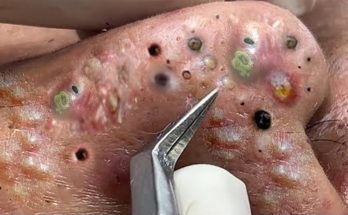
Comedone extraction physically removes whiteheads and blackheads with a small handheld tool. It can easily be done in your provider’s office. Although this doesn’t really help prevent acne, it can improve it. If you have a lot of whiteheads or blackheads, this is a great way to remove them quickly and instantly improve the skin’s appearance.
-
-